
Vegetables are well-known for being good for your health. Most vegetables are low in calories but high in vitamins, minerals and fiber.
However, some vegetables stand out from the rest with additional proven health benefits, such as the ability to fight inflammation or reduce the risk of disease.
Spinach
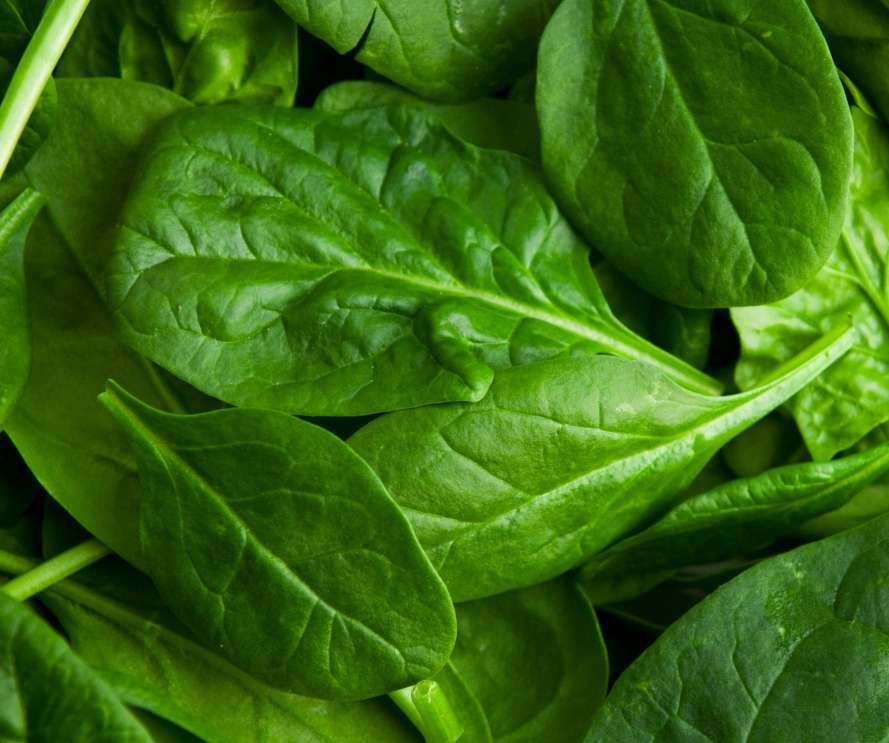
This leafy green tops the chart as one of the healthiest vegetables, thanks to its impressive nutrient profile.
One cup (30 grams) of raw spinach provides 56% of your daily vitamin A needs plus your entire daily vitamin K requirement — all for just 7 calories .
Spinach also boasts a great deal of antioxidants, which can help reduce the risk of chronic disease.
One study found that dark green leafy vegetables like spinach are high in beta-carotene and lutein, two types of antioxidants that have been associated with a decreased risk of cancer (2).
In addition, a 2015 study found that spinach consumption may be beneficial for heart health, as it may lower blood pressure.
Carrots
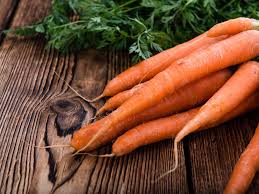
Carrots are packed with vitamin A, providing 428% of the daily recommended value in just one cup (128 grams).
They contain beta-carotene, an antioxidant that gives carrots their vibrant orange color and could help in cancer prevention .
In fact, one study revealed that for each serving of carrots per week, participants’ risk of prostate cancer decreased by 5%.
Another study showed that eating carrots may reduce the risk of lung cancer in smokers as well. Compared to those who ate carrots at least once a week, smokers who did not eat carrots had a three times greater risk of developing lung cancer .
Carrots are also high in vitamin C, vitamin K and potassium .
Broccoli

Broccoli belongs to the cruciferous family of vegetables.
It is rich in a sulfur-containing plant compound known as glucosinolate, as well as sulforaphane, a by-product of glucosinolate .
Sulforaphane is significant in that it has been shown to have a protective effect against cancer.
In one animal study, sulforaphane was able to reduce the size and number of breast cancer cells while also blocking tumor growth in mice .
Eating broccoli may help prevent other types of chronic disease, too.
A 2010 animal study found that consuming broccoli sprouts could protect the heart from disease-causing oxidative stress by significantly lowering levels of oxidants .
In addition to its ability to prevent disease, broccoli is also loaded with nutrients.
A cup (91 grams) of raw broccoli provides 116% of your daily vitamin K needs, 135% of the daily vitamin C requirement and a good amount of folate, manganese and potassium .
Garlic
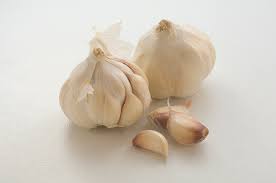
Garlic has a long history of use as a medicinal plant, with roots tracing all the way back to ancient China and Egypt .
The main active compound in garlic is allicin, a plant compound that is largely responsible for garlic’s variety of health benefits .
Several studies have shown that garlic can regulate blood sugar as well as promote heart health.
In one animal study, diabetic rats were given either garlic oil or diallyl trisulfide, a component of garlic. Both garlic compounds caused a decrease in blood sugar and improved insulin sensitivity .
Another study fed garlic to participants both with and without heart disease. Results showed that garlic was able to decrease total blood cholesterol, triglycerides and LDL cholesterol while increasing HDL cholesterol in both groups .
Garlic may be useful in the prevention of cancer as well. One test-tube study demonstrated that allicin induced cell death in human liver cancer cells .
However, further research is needed to better understand the potential anti-cancer effects of garlic.
Brussels Sprouts

Like broccoli, Brussels sprouts are a member of the cruciferous family of vegetables and contain the same health-promoting plant compounds.
Brussels sprouts also contain kaempferol, an antioxidant that may be particularly effective in preventing damage to cells .
One animal study found that kaempferol protected against free radicals, which cause oxidative damage to cells and can contribute to chronic disease .
Brussels sprout consumption can help enhance detoxification as well.
One study showed that eating Brussels sprouts led to a 15–30% increase in some of the specific enzymes that control detoxification, which could decrease the risk of colorectal cancer .
Additionally, Brussels sprouts are very nutrient-dense. Each serving provides a good amount of many vitamins and minerals, including vitamin K, vitamin A, vitamin C, folate, manganese and potassium .
Green Peas
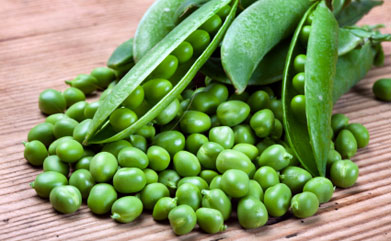
Peas are considered a starchy vegetable. This means they have a higher amount of carbs and calories than non-starchy vegetables and may impact blood sugar levels when eaten in large amounts.
Nevertheless, green peas are incredibly nutritious.
One cup (160 grams) of cooked green peas contains 9 grams of fiber, 9 grams of protein and vitamins A, C and K, riboflavin, thiamin, niacin and folate .
Because they are high in fiber, peas support digestive health by enhancing the beneficial bacteria in your gut and promoting regular bowel movements .
Moreover, peas are rich in saponins, a group of plant compounds known for their anti-cancer effects .
Research shows that saponins may help fight cancer by reducing tumor growth and inducing cell death in cancer cells .
Ginger
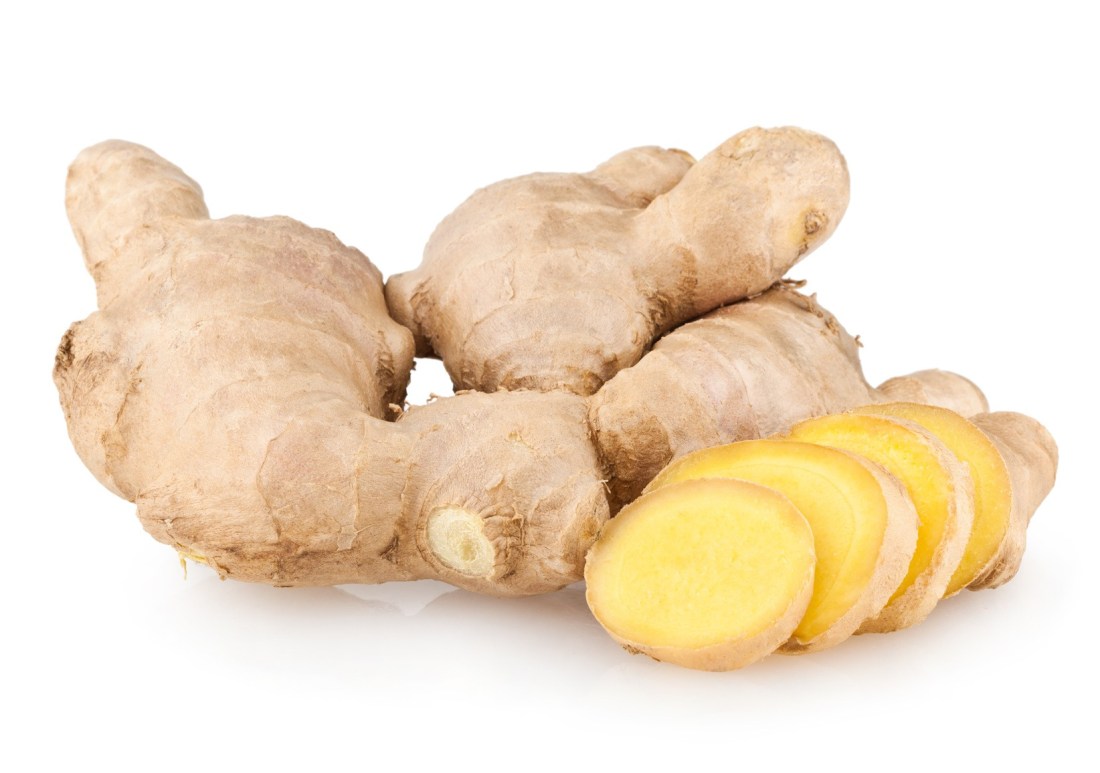
Ginger root is used as a spice in everything from vegetable dishes to desserts.
Historically, ginger has also been used as a natural remedy for motion sickness .
Several studies have confirmed the beneficial effects of ginger on nausea. In a review comprised of 12 studies and nearly 1,300 pregnant women, ginger significantly reduced nauseacompared to a placebo .
Ginger also contains potent anti-inflammatory properties, which can be helpful in treating inflammation-related disorders like arthritis, lupus or gout .
In one study, participants with osteoarthritis who were treated with a concentrated ginger extract experienced reduced knee pain and relief from other symptoms .
Further research suggests that ginger could aid in the treatment of diabetes as well.
A 2015 study looked at the effects of ginger supplements on diabetes. After 12 weeks, ginger was found to be effective in decreasing blood sugar levels .
Red Cabbage
This vegetable belongs to the cruciferous family of vegetables and, much like its relatives, is brimming with antioxidants and health-promoting properties.
One cup (89 grams) of raw red cabbage contains 2 grams of fiber as well as 85% of the daily vitamin C requirement .
Red cabbage is also rich in anthocyanins, a group of plant compounds that contribute to its distinct color as well as a whole host of health benefits.
In a 2012 animal study, rats were fed a diet designed to increase cholesterol levels and increase plaque buildup in the arteries. The rats were then given red cabbage extract.
The study found that red cabbage extract was able to prevent increases in blood cholesterol levels and protect against damage to the heart and liver .
These results were supported by another animal study in 2014 showing that red cabbage could reduce inflammation and prevent liver damage in rats fed a high-cholesterol diet.
Sweet Potatoes

Classified as a root vegetable, sweet potatoes stand out for their vibrant orange color, sweet taste and impressive health benefits.
One medium sweet potato contains 4 grams of fiber, 2 grams of protein and a good amount of vitamin C, vitamin B6, potassium and manganese.
It’s also high in a form of vitamin A called beta-carotene. In fact, one sweet potato fulfills 438% of your daily vitamin A needs.
Beta-carotene consumption has been linked to a significant decrease in the risk of certain types of cancer, including lung and breast cancer .
Specific types of sweet potatoes may also contain additional benefits. For example, Caiapo is a type of white sweet potato that may have an anti-diabetic effect.
In one study, people with diabetes were given 4 grams of Caiapo daily over 12 weeks, leading to a reduction in both blood sugar and blood cholesterol levels.

 Healthbar